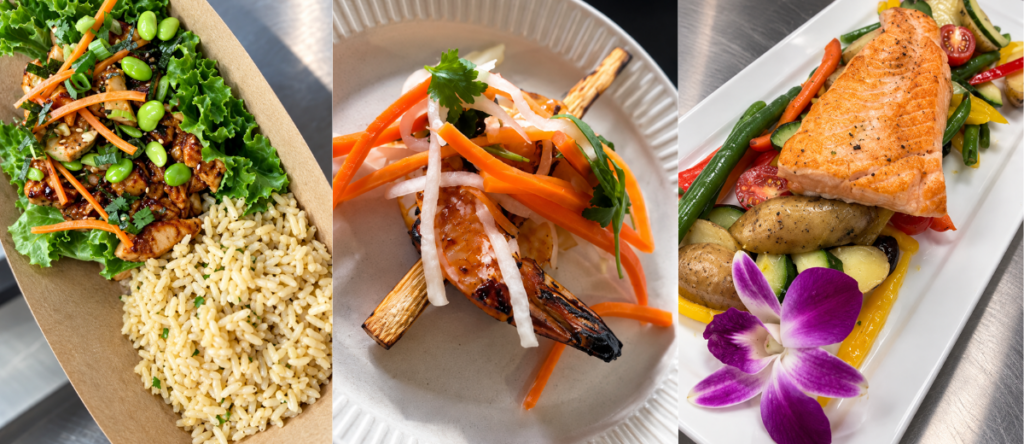

Chef Cory Rasco is redefining what K–12 dining can be. With a passion for creating fresh, flavorful meals students actually want to eat, Cory brings culinary creativity to the school cafeteria, making nutritious food exciting, approachable, and memorable for the next generation.
You began your culinary career in Chicago and have spent roughly two decades in the industry. What first drew you to foodservice, and how has your career evolved since those early days?
Honestly, I fell into this industry, I didn’t grow up dreaming of becoming a chef. After a family tragedy, I moved back to Chicago, where a family friend who owned Volare gave me a job. I knew very little about cooking, but I quickly fell in love with the creativity, the process, and the idea of transforming simple ingredients into something people genuinely wanted to eat.
That drive to grow led me through incredible kitchens and chefs who invested in me, from Michelin-starred restaurants and rooftop gardens to opening a restaurant and competing at the World Food Championships in Las Vegas. Looking back, I’m incredibly grateful to be part of an industry that gives people so many different ways to create, express themselves, and bring people together.
What led you to Chartwells School Dining Services, and what has kept you passionate about working in the K–12 dining space?
My wonderful wife and I recently welcomed our third daughter—shoutout to all the girl dads! As our family grew, nights and weekends became harder, so by God’s grace, I was led to K–12 food service. And honestly, I knew almost nothing about K–12 when I started.
I had to learn a completely new side of the industry, compliance, corporate operations, and how food service management companies work. But within a couple of weeks, I was interacting with students and absolutely loved it.
Getting the opportunity to create programs that educate kids about food and introduce them to a culinary world they may not otherwise experience gave me a whole new passion and purpose in my culinary journey.
As Director of Dining Services for Chartwells at Alexandria Community Schools, what does your role look like day to day, and what are some of the biggest priorities you oversee?
My wife asks me almost every night, “What does your day look like tomorrow?” And I almost always say, “I have no idea.” That pretty much sums up the day to day.
Some days I’m helping prep lunch at one of the schools, other days I’m serving students. I might be in the office working on menus, responding to emails, or developing catering programs. Every day looks a little different.
But I always remind my team that our number one priority is simple: feed the kids. At the end of the day, our biggest responsibility is making sure we’re serving the students and the school district well.
K–12 dining comes with the unique responsibility of serving young people every day. How do you approach creating meals that are nutritious, appealing, and exciting for students?
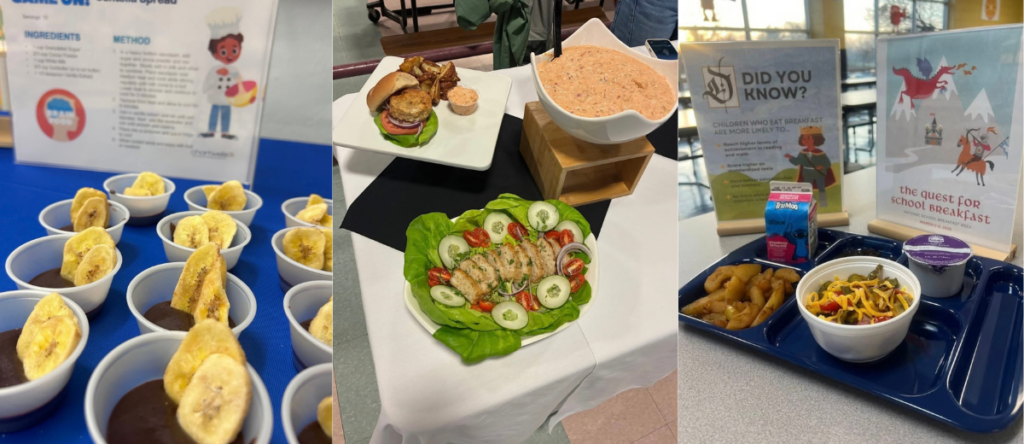
It’s so much trial and error. I am always pushing the envelope to bring light to some different culinary dishes that aren’t nachos or pizza or chicken nuggets. So a lot of what we do as a team is ask questions to the kids, listen to them, give them a voice, but also challenge them to try new things and develop a palate. I try to have samples they can try of a new recipe, or try to develop new ideas that we can try to get them excited and involved.
How do you balance student preferences and feedback with nutrition guidelines, budgets, and the operational realities of running a large-scale school dining program?
I honestly believe this is something my company does exceptionally well. They’ve given us the tools and flexibility to balance innovation with the realities of food service. We have the operational freedom to try new things while still staying within compliance guidelines.
At the same time, we’re encouraged as culinary professionals to create menus that are scratch-made, cost-effective, and exciting for the students. That balance gives us the opportunity to be creative while still being responsible operators.
What role does culinary creativity play in school dining? Are there particular dishes, programs, or initiatives you’ve introduced that you’re especially proud of?
Again, I think this is something my company does exceptionally well. They give us the freedom and flexibility to adapt our menus based on what the kids respond to, while still staying within all compliance requirements.
We also have the opportunity to create culinary programs that expose students to international foods, teach them how food impacts our minds and bodies, and help them build a better understanding of what they’re eating, all while keeping those meals compliant and accessible.Looking at the broader K–12 foodservice industry, what changes or trends are you most excited about, and where do you see opportunities for school dining to continue evolving?
School dining isn’t what it was when I was growing up, with square pizza and basic burgers. Today, students want more variety, food that fuels their bodies, meets nutritional requirements, and still tastes great.
We recently rolled out new pizzas that the kids actually say are better than what they’d get at a restaurant, which is incredibly exciting. I also see a growing demand for protein-rich, healthier foods that don’t sacrifice flavor.
What excites me most is that every generation brings new tastes and expectations. K–12 gives us a unique opportunity to keep evolving our menus, introducing new flavors, and finding creative ways to keep kids engaged, happy, and well fed.
If you could cook one meal for anyone, past or present, famous or not, who would you invite to the table, and what would you serve them?
I am a huge man of faith, so first and foremost, my table would be Jesus, the Apostle Peter and Paul, my wife, and kids. I would cook either butter chicken with fresh garlic naan and rice or Korean short rib lettuce wraps with pickled veg and homemade kimchi.