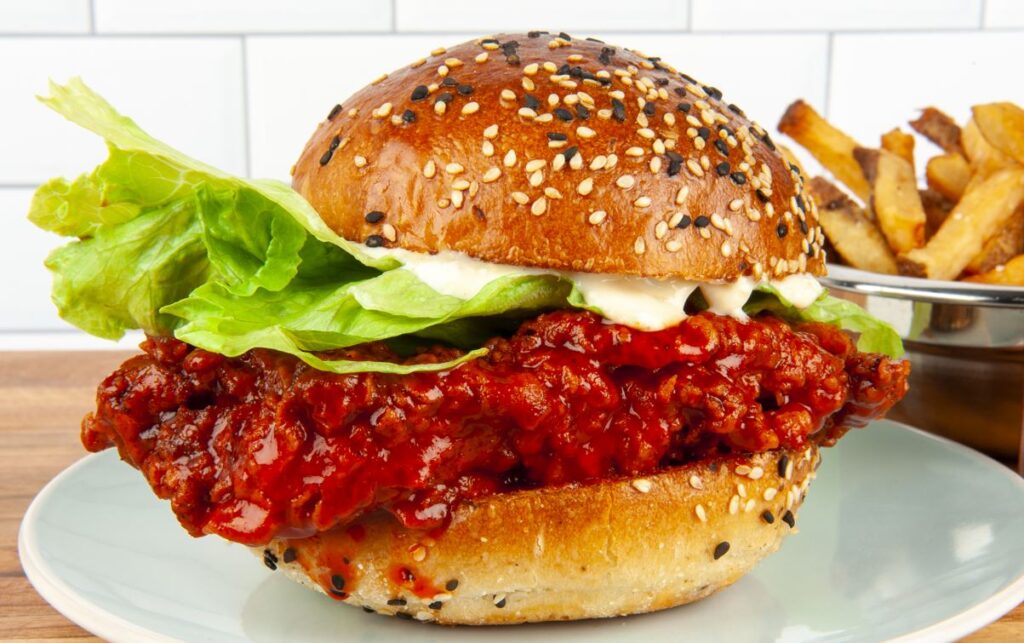
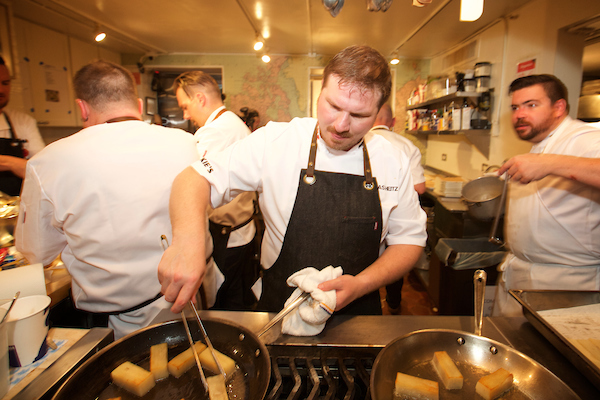
Chef Thomas Heitz brings a clear, disciplined approach to his role at Restaurant Brands International, guiding brands like Popeyes, Tim Hortons, Firehouse Subs, and Burger King. He focuses on evolving each concept with intention, balancing innovation with consistency while preserving what makes each brand distinct.
Be sure to follow his journey on social media for a closer look at his work here.
With over 20 years across both front and back of house, how has that dual perspective shaped the way you approach leading large-scale culinary operations like those under RBI?
Having worked across both front and back of house has shaped how I see the business as a whole. It’s not just about creating great food, it’s about delivering a complete guest experience while making sure it can actually work day to day. That perspective allows me to balance ambition with execution, understanding that a dish isn’t successful unless it holds up in service, resonates with the guest, and fits within the realities of the operation. At scale, it becomes about managing all of it at once, the creativity of the menu, the pressure of the kitchen, the flow of the dining room, and the expectations on both sides of the pass.
As Executive Chef for Restaurant Brands International, overseeing brands like Popeyes, Tim Hortons, Firehouse Subs, and Burger King, how do you ensure each concept maintains its identity while evolving with current food trends?
Each brand carries its own identity and a loyal following, and that’s something we’re careful to protect. Innovation isn’t about reinvention, it’s about thoughtful evolution. It starts with understanding what made the brand resonate in the first place, then building on that foundation in a way that feels natural, not forced. The goal is to stay relevant, both culturally and culinarily, without losing the character that made people connect with it to begin with.
Your style is globally inspired and trend-forward. How do you translate that creativity into menus that can scale across international brands?
Global inspiration is a starting point, not the final product. The real challenge is translating bold ideas into something that can live consistently across different markets. That means simplifying without losing impact, and working closely with supply chain, operations, and regional teams to make it executable. It’s a constant balance, where creativity has to meet consistency in a way that still feels intentional.
Having worked in both academia and the corporate culinary world, how has your time as a professor influenced the way you mentor and develop teams within such a large organization?
My time in academia reinforced the value of structure, curiosity, and continuous learning. I carry that same mindset into leadership, creating an environment where people are encouraged to think critically, question assumptions, and grow with intention. In a large organization, developing people is just as important as developing products, because long-term success depends on both.
In a multi-brand environment, cost control and operational efficiency are critical, how do you balance financial performance with delivering quality and innovation across the board?
Constraints drive creativity. Working within financial and operational parameters forces discipline and clarity in decision making. It pushes you to focus on ideas that have real impact, delivering value to the guest while still being executable. The key is aligning culinary vision with business objectives from the beginning, so they support each other rather than compete.
As a culinary judge and frequent media presence, what key shifts are you seeing in consumer preferences that are influencing how major brands like RBI evolve?
Consumers today are more informed and more intentional in how they choose where and what to eat. There’s a growing expectation for transparency, bold flavors, cultural authenticity, and better-for-you options that don’t sacrifice indulgence or, most importantly, taste. At the same time, convenience still plays a major role. The brands that succeed are the ones that can deliver across all of those fronts in a way that feels seamless and genuine
With such a broad portfolio under your leadership, what defines success for you today, beyond revenue, and how do you create memorable experiences at scale?
Success today comes down to relevance, consistency, and impact. It’s about creating food that resonates across different cultures and markets while maintaining a clear and uncompromising standard of quality. At scale, memorable experiences are built through attention to detail, ensuring that every guest interaction reflects the brand promise, no matter where they are in the world.